Why the old tile failed matters more than the tile you pick next
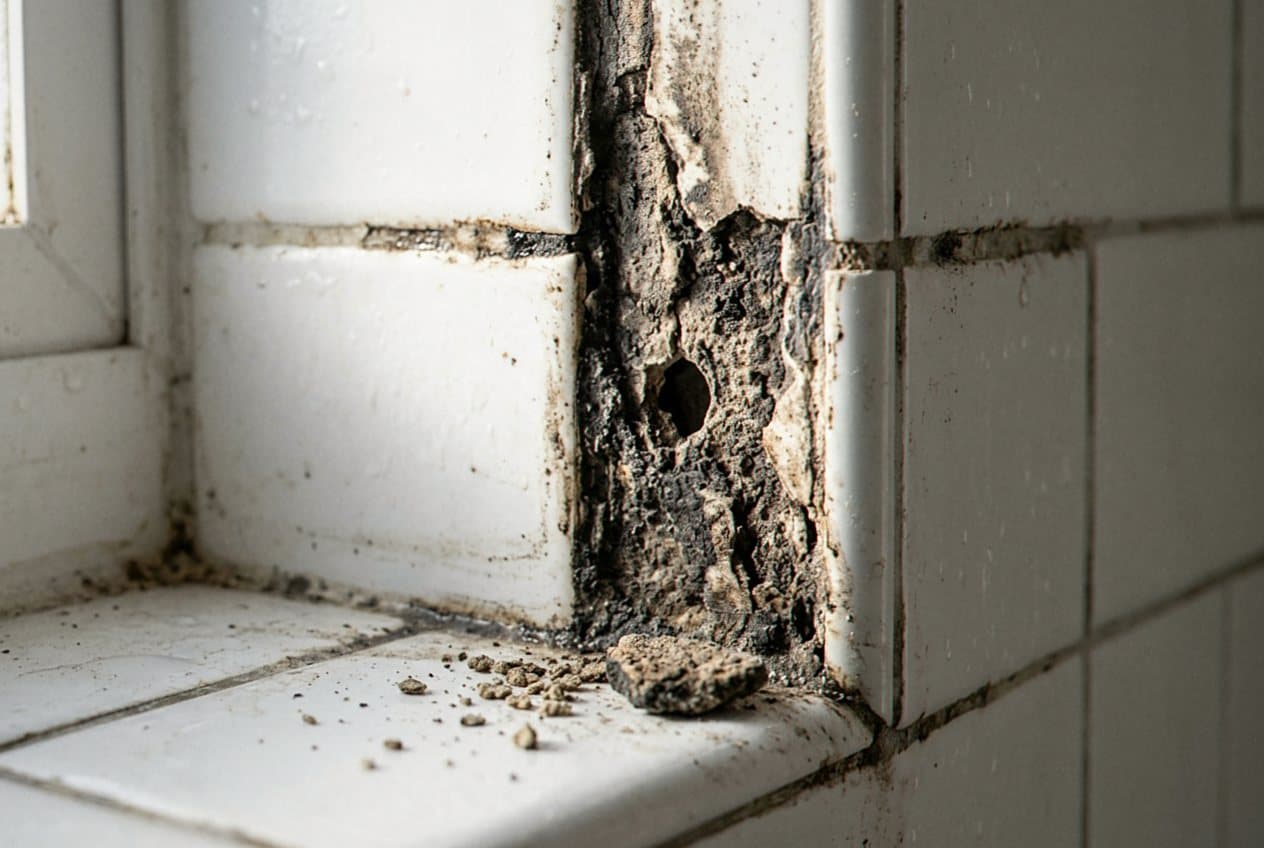
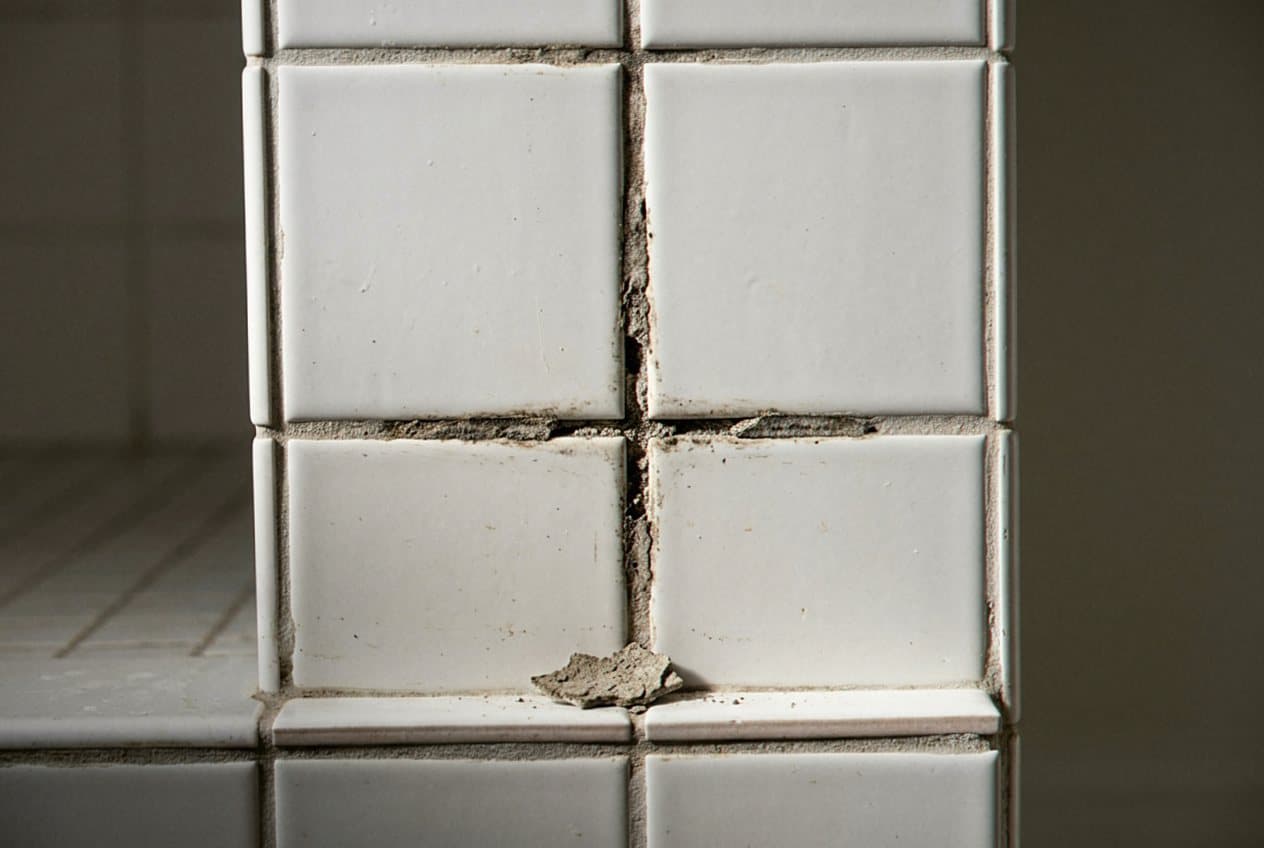
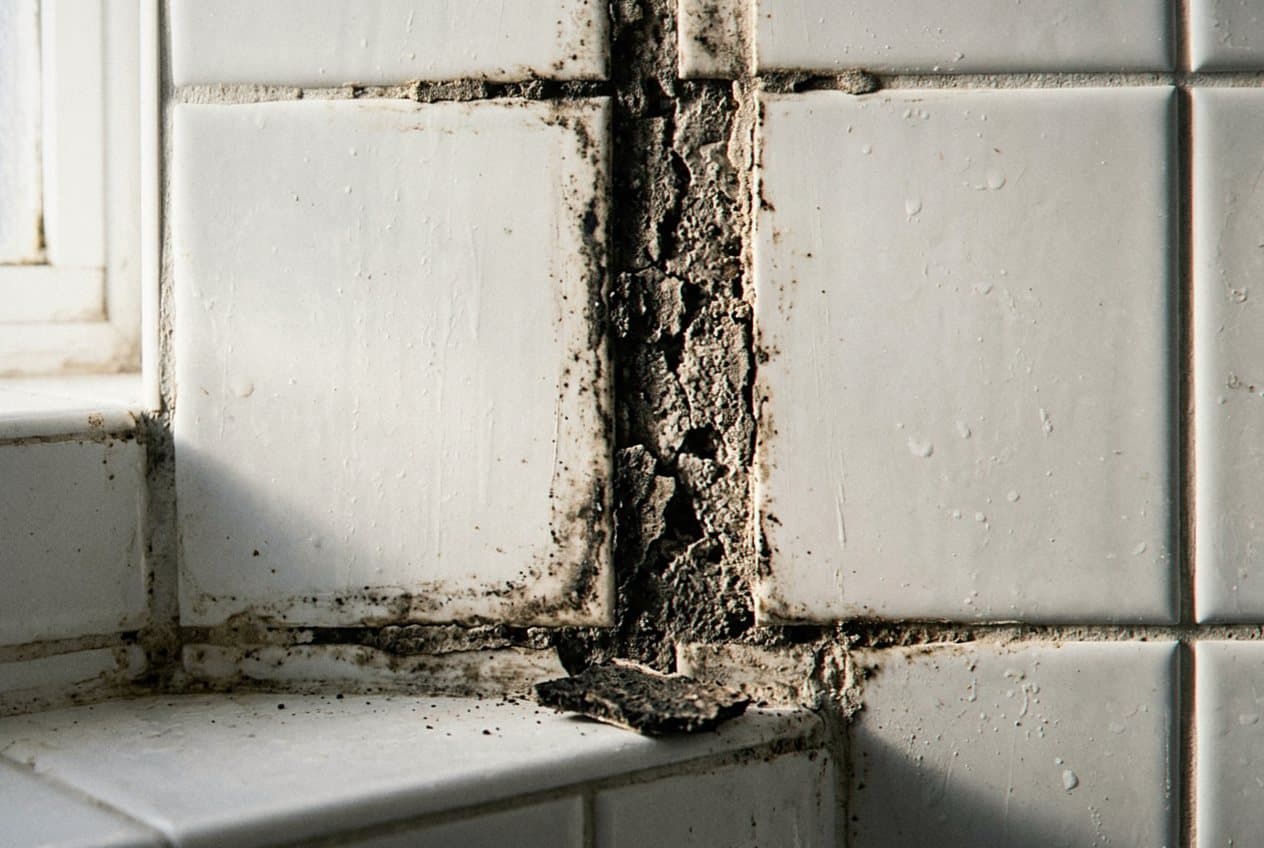
Tile rarely fails all at once. It fails in one corner, and by the time you notice, the reason has been working on your floor for years. We get called out to houses all over Grand Rapids for the same short list of symptoms. A grout line goes dark and stays dark. One tile clicks under your heel, and the two beside it sound hollow when you tap them. A row along the tub deck lifts a hair above the rest. In a Heritage Hill or Eastown house, the story is often a floor that was tiled over an older floor, then tiled again, until the whole stack sits too high and moves too much. In a ranch out in Wyoming or Kentwood, it is usually the subfloor flexing between joists. Out toward Ada and Cascade, we find newer tile set over a bathroom floor that was never flattened, and the wide pieces cracked because what was under them did. We do not start swinging a hammer until we know which one you have. The symptom looks the same in every house. The fix does not. The first visit is mostly tapping, measuring, and reading edges. We pull a threshold or a piece of base trim to see the layers underneath. We check how the floor meets the wood in the next room, because that height decides a lot about what we can put back. We tap across the whole field, not only the spot that bothers you, because hollow spreads farther than most owners think. Then you get a straight answer about whether this is a small repair or a full removal. Plenty of jobs turn out smaller than the owner feared. A hollow patch in one corner of a kitchen is often a repair, not a gut. Some jobs turn out bigger, and that is usually a floor that has been covered twice by someone in a hurry. Either way, you hear it from us before you commit to anything, and you hear the reason behind it.
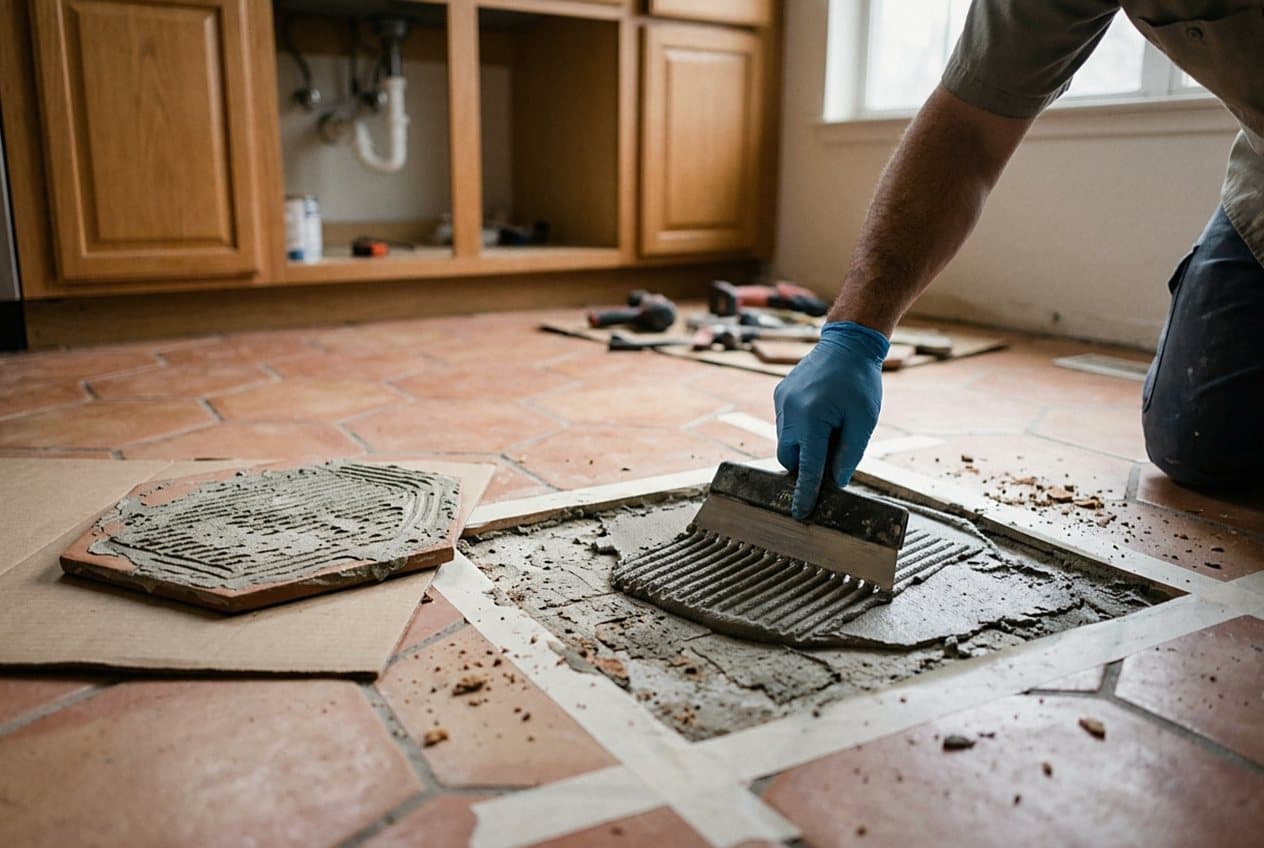
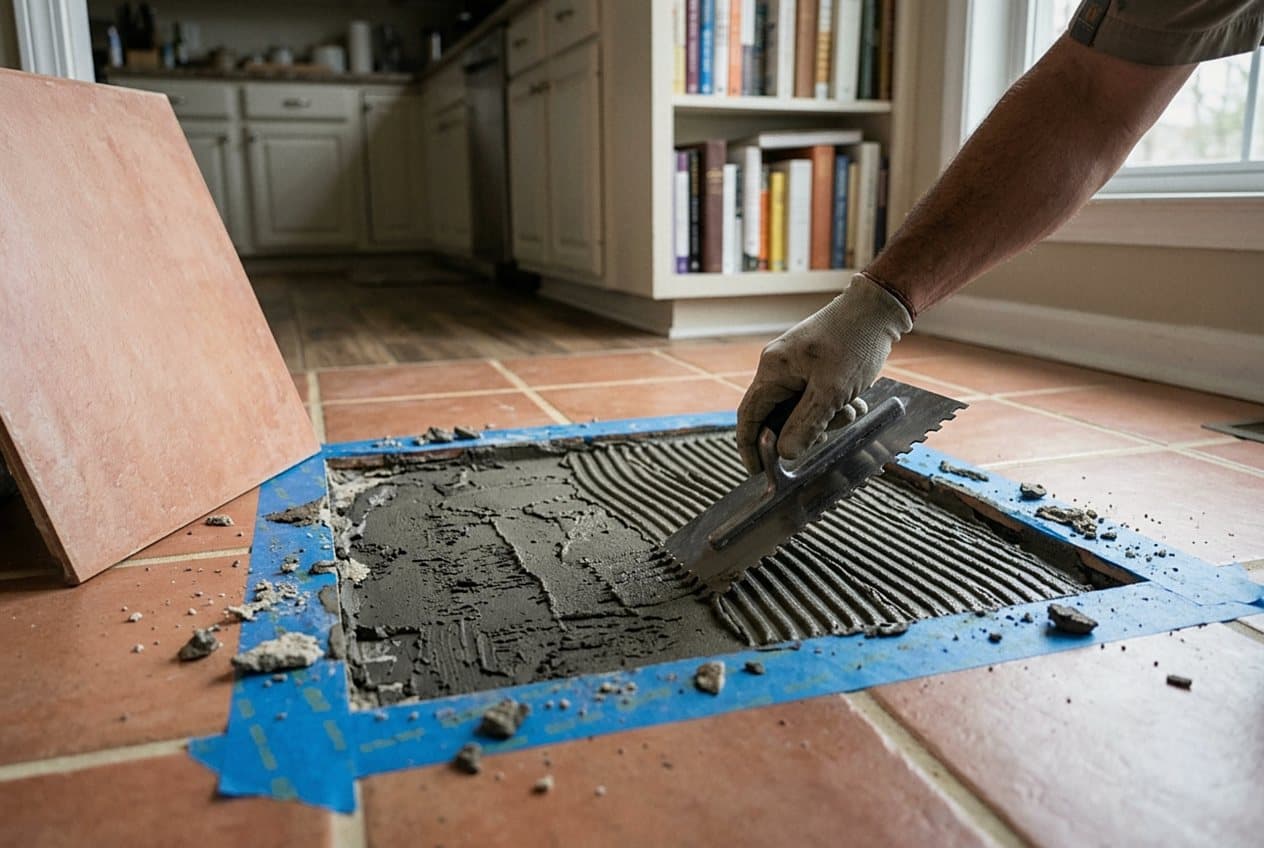
Removal is the part people underestimate, and it is the part we plan hardest. Old tile does not come up clean. A mortar bed floor in an older Grand Rapids bathroom can weigh a few hundred pounds once it is broken up, and all of it has to travel down a narrow staircase and out your front door. Before any of it moves, we seal the room off. Plastic goes up at the doorway, the vents get covered so dust does not ride your ductwork into the rest of the house, and we run a vacuum with a fine filter right at the tool. Floors and stair treads along the path out get covered too. Age matters here for another reason. In homes built before the late seventies, old floor tile and the black mastic under it can hold asbestos, and the EPA is clear that you test rather than guess. If your house falls in that range, we stop and have it sampled. Abatement is its own trade with its own rules, and breaking that material up with a chipping hammer is not something we will do. Once the tile is off, the real work starts. We scrape the substrate down to something flat and sound, cut out soft plywood or crumbling board, and look at the framing while it is open. Old mortar ridges left in place will haunt the new floor. So will a subfloor that flexes underfoot. We would rather add a layer of plywood or float the room with a leveling compound than set new tile on a surface we do not trust. On a wall, the same rule applies. Backer board that got wet behind an old shower comes out, and the studs get checked before anything new goes over them.
- Dust control that holds up for the whole job. We build a plastic barrier at the door, tape off the supply and return vents, and run a vacuum with a fine filter right where the tool meets the tile. Demo dust from mortar and grout is fine enough to sit on every flat surface in your house for weeks. It will find your furnace filter too, if you let it. Sealing the room takes us about an hour on the first day. That hour is the reason the rest of your house does not end up gritty.
- We learn what is under the floor before we quote it. Layers matter more than square footage. A floor that has been tiled twice sits high, and stripping it changes your door clearance, the height of the toilet flange, and the way tile meets wood at the hallway. We pull a threshold and read those layers on the first visit, so the scope you get matches the floor you actually have. Nobody enjoys hearing about a brand new problem on day three of a demo.
- Older homes get tested instead of guessed at. A lot of the housing stock here went up before the late seventies, and old resilient tile and the adhesive under it can hold asbestos. EPA guidance says to sample it rather than assume. So we pause, get it tested, and hand it to an abatement crew when the result comes back positive. That is not caution for its own sake. It is the difference between a normal week of demo and a house full of something you cannot sweep up.
- What sits under the tile gets rebuilt, not covered over. New tile is only as good as the surface it lands on. We grind the old mortar ridges off and cut out soft plywood near the tub and the toilet. Where the floor moves between joists, we stiffen it from below or add a layer on top. Then the whole area gets flattened before a trowel comes out. Where a floor has cracked once already, we set an uncoupling layer first. It lets the wood below shift a little with the seasons without sending that crack straight up into your fresh grout.
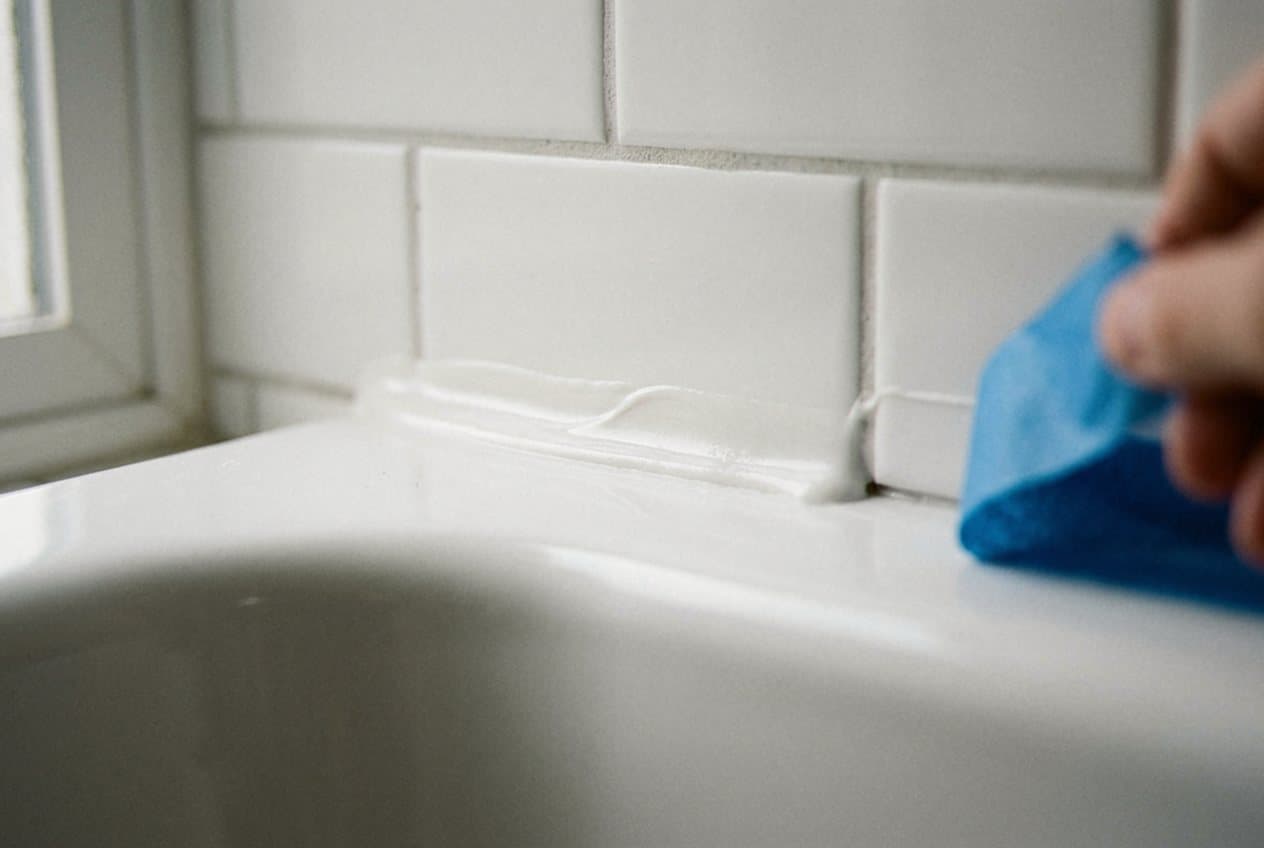
- We haul the mess out and we finish the edges. Broken tile and mortar are heavy, sharp, and dusty. All of it leaves in our truck instead of piling up in your driveway for a week. We sweep and vacuum at the end of each day, not only at the end of the job. When the new tile goes down, we handle the base trim and the transitions to wood or carpet. We reset the toilet and run the caulk lines too. You should not have to go hunting for someone else to finish the last ten percent of your own floor.
Once the old floor is gone, your choices open up more than people expect. Height comes first. A floor that came out three quarters of an inch thick does not have to go back the same way, and going thinner can fix a door that has been dragging for years. Or we hold the height and make the transition to the hallway sit flush. Tile size is the next question. Wide pieces look calm and leave you less grout to clean, but they want a flatter floor under them, which is part of why we flatten first. Small mosaic gives your feet more grip, and that matters in a shower and in a back entry where boots come in wet from December through March. Porcelain handles a Grand Rapids winter well near the door, since salt and slush get tracked in for months. Natural stone can be lovely in a bath, though it drinks water and wants sealing on a schedule, so we say that out loud before you order it. Layout deserves a few minutes as well. We dry lay the field so the full tiles land where you look first and the thin cuts end up under the vanity or against the tub. Grout color is worth a minute too. Our water runs hard here, and a very light joint in a shower will show every mineral spot. A shade off white ages easier. If you are replacing tile in one room and hoping it reads as a match with the room beside it, tell us early. Runs vary from batch to batch, and matching an older floor usually comes down to layout and a transition strip rather than finding an identical tile. We would rather solve that on paper than after the boxes are open. Order a little extra while you are at it. Spare tile from the same run is the cheapest repair kit you will ever own, and we will leave the extras stacked somewhere dry for you.
Do you have a cracked floor, a hollow row of tile, or a bathroom you are tired of looking at? Call us and we will come see it. We work across Grand Rapids and the rest of Kent County. That takes in Heritage Hill, Creston, and Alger Heights, along with East Grand Rapids, Kentwood, Wyoming, Grandville, Walker, Comstock Park, and up toward Rockford and Ada. Tell us what you are seeing and roughly how old the house is. We will tell you what we think is under there, what the removal will take, and when we can start. And if the honest answer is that a repair will do, we will say that instead of selling you a new floor.