Big tile is a flat floor problem before it is a tile problem
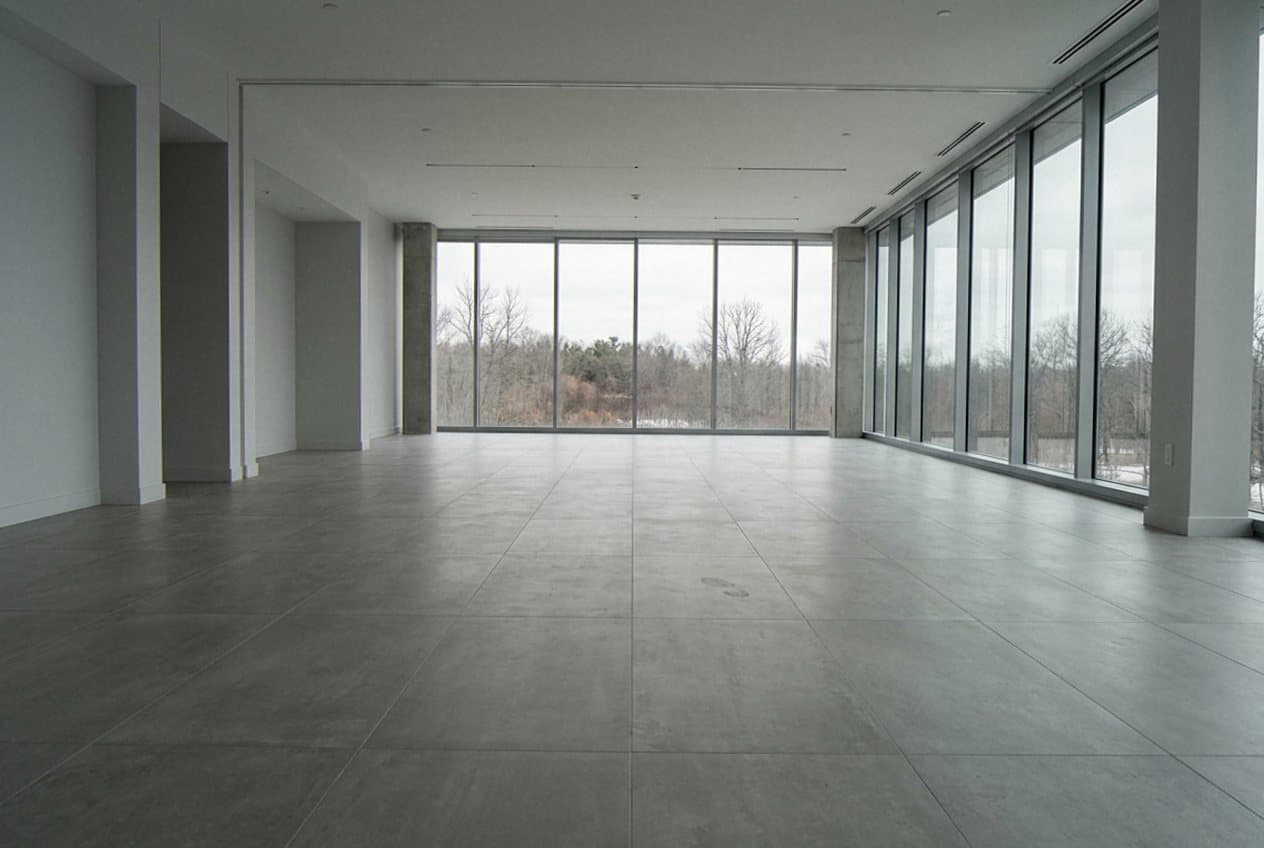
Large format tile is not harder to set because the pieces are big. It is harder because the floor under them has nowhere to hide. A small square tile can ride over a low spot and nobody ever knows it is there. Put a piece of 24 by 48 porcelain across that same low spot and one corner stands proud, the edge catches the light from the window, and every guest sees the ridge before they see the tile. Our trade has a name for that ridge. It is called lippage, and it is the reason most big tile jobs go sideways. So we start on the floor itself, with a long straightedge and a laser, before anyone talks about grout color. What we find depends on the house. The 1920s homes in Heritage Hill and the bungalows through Eastown and Creston usually sit on plank subfloor that has cupped and settled for a century. Those planks need a layer over them, and often they need blocking or a sister joist under a bouncy spot first. Ranches in Wyoming and Kentwood tend to be flatter, though the seams between sheets of plywood telegraph right through a big tile if we leave them alone. Newer builds out toward Ada, Cascade and Byron Center look perfect until we run the straightedge and find a slow dish in the middle of the great room. Basement slabs are their own story. They are usually strong and just as usually out of plane, because a slab gets floated by hand and nobody was thinking about a 4 foot tile in 1968. None of that is a problem when we know about it on day one. All of it becomes a problem when a crew spreads mortar and hopes for the best. Flatness has a real number behind it. The tile industry standard asks for no more than an eighth of an inch of variation over 10 feet once a tile has an edge longer than 15 inches. That is tighter than most floors in Kent County arrive at, and it is not a target you can eyeball from across the room. When your floor misses it, we pour self leveling underlayment or we grind the high spots down until it holds. That step is not optional and we do not skip it to save a day.
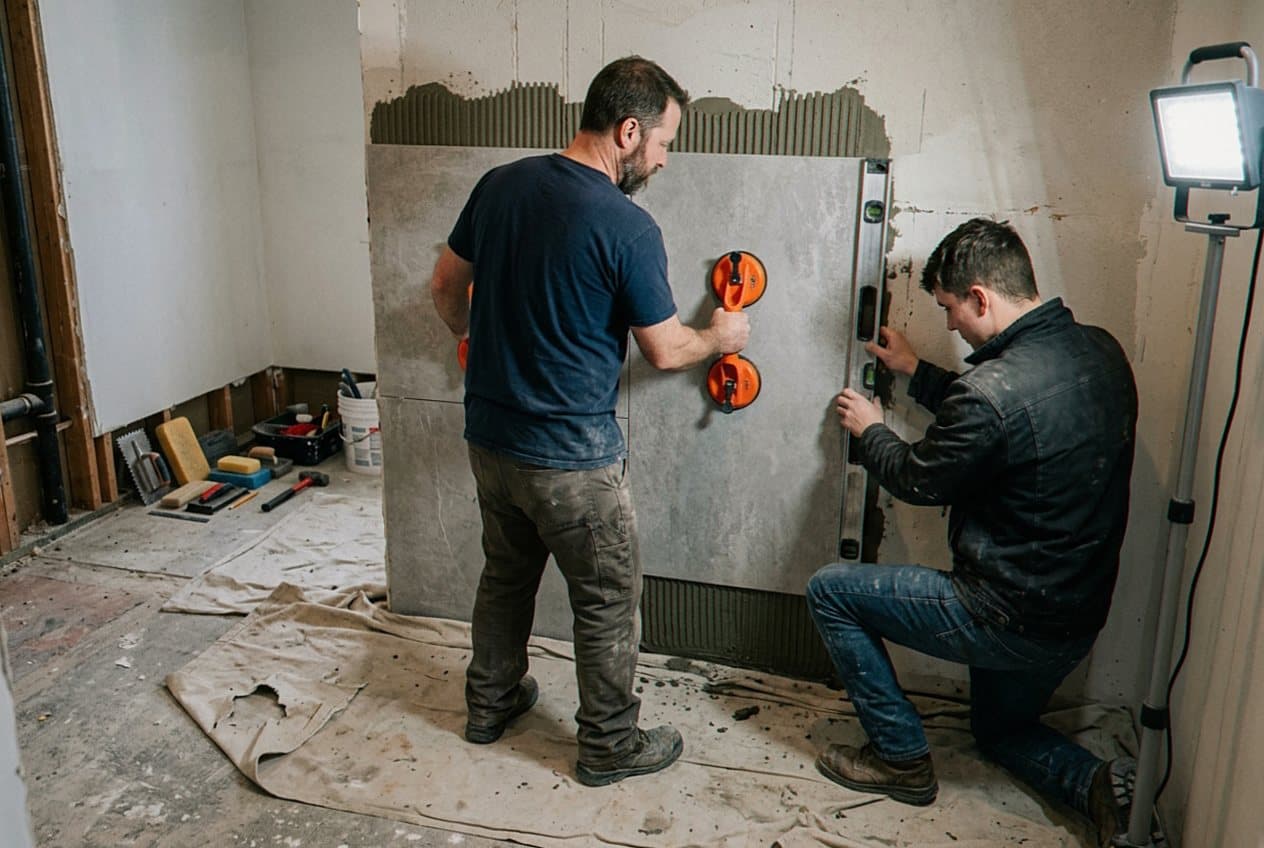
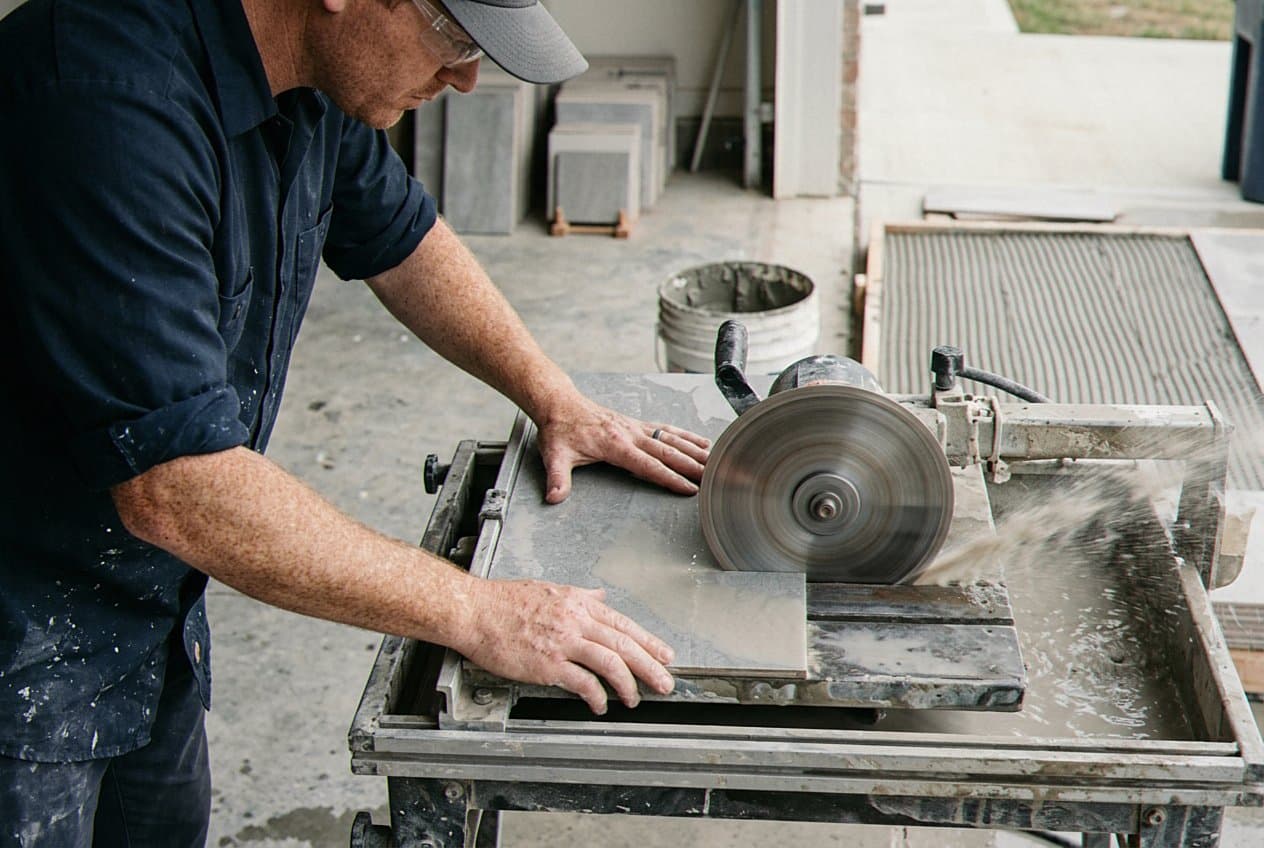
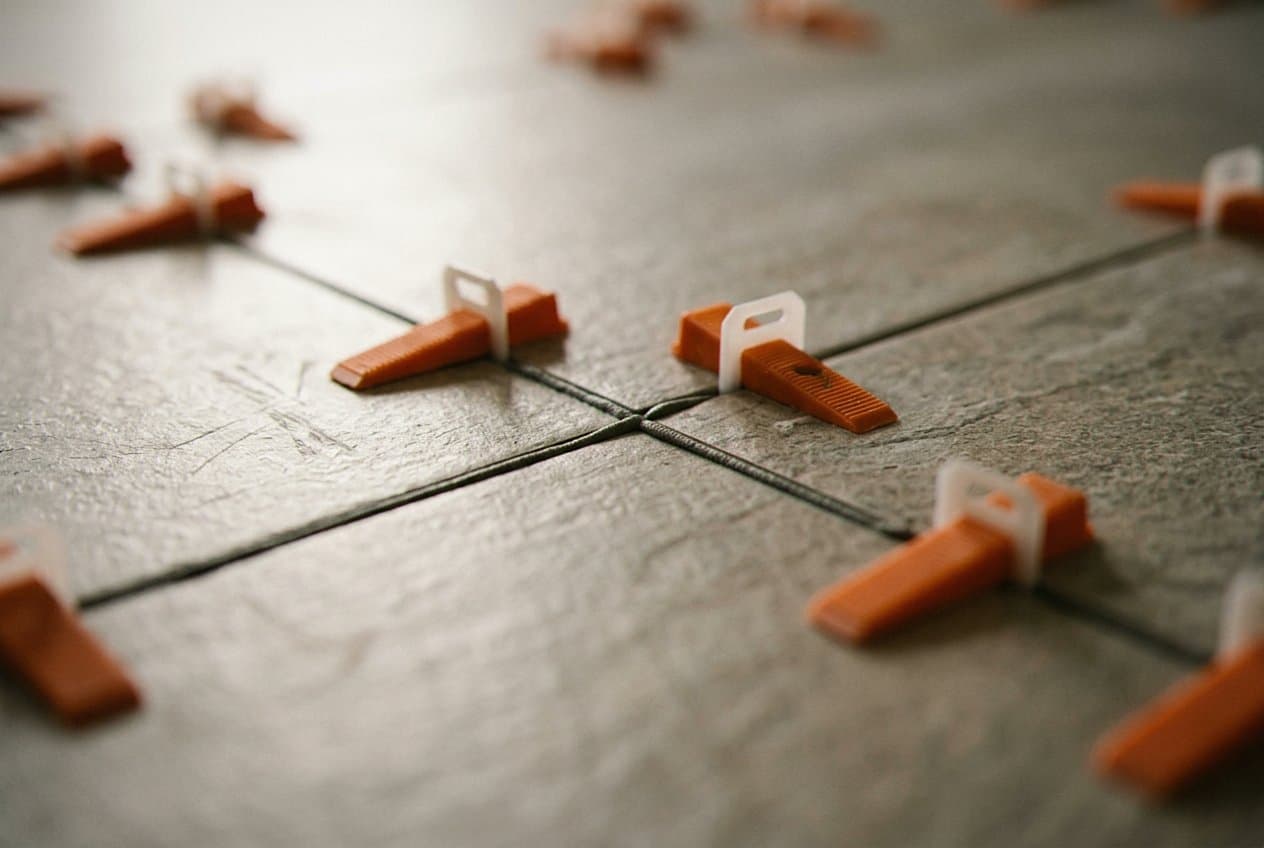
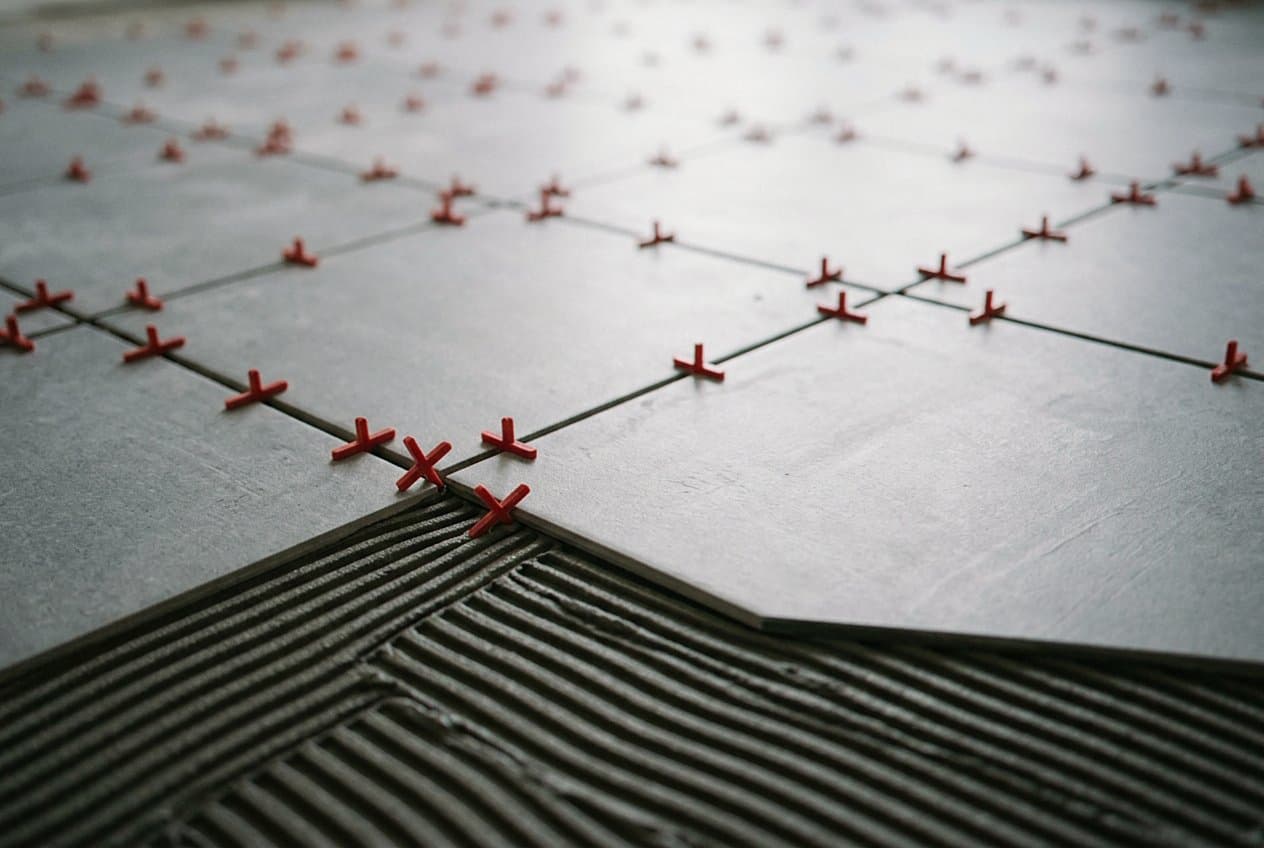
Once the floor will hold a straightedge, the setting work follows an order we do not rearrange. Deflection gets checked first, because a floor that flexes will crack a stiff tile no matter how well the tile is stuck down. On an older Grand Rapids house that can mean adding blocking between joists or stiffening a span before anything else happens. Then the substrate goes down, either an uncoupling membrane or cement board, taped and treated at the seams. We snap our lines off the longest sight line in the room, usually the wall you see straight down when you walk in, so the pattern reads square where people actually stand. Mortar for big tile is its own subject. We use a large and heavy tile mortar that holds a notch without slumping under the weight of the piece, we comb it all in one direction, and we back butter the tile so the whole back is wetted out. Then we flatten those ridges as we set. Trapped air under a wide piece leaves a hollow spot that rings under your heel and chips out at the edge a year later. Every so often we pull a tile back up and look at the coverage on the back of it. If it is thin anywhere, that mortar comes off and the piece goes back down the right way. Nobody enjoys that step and we do it anyway. Leveling clips go in as we work. They hold two neighbors on the same plane while the mortar cures, which is the difference between a floor your bare foot reads as one surface and a floor that catches a mop. Pattern matters just as much. A running bond with the joint at the middle of the tile looks great on paper and fights you on a piece 4 feet long, because most big tile has a slight crown down its length. We offset a third or less instead, or we stack the joints in a grid, and we walk you through the reason before you settle on a look. Cutting happens on a rail saw with water running, out in the garage or outside when the weather allows. The pieces move on a frame with suction cups, two of us on each one, so nothing gets flexed and cracked on the trip across your living room.
- Before we quote a square foot of tile we run a 10 foot straightedge over the whole floor, mark the high spots and the dips in chalk, and work out what it takes to bring that floor into plane. Leveler, grinding, a stiffer subfloor, you hear it in the first talk we have. Not on day two.
- Every piece gets back buttered and combed one way, so the mortar under it sits solid instead of ribbed with pockets of air that turn into hollow spots and chipped corners later on. A floor set that way does not ring under your heel. Drop a pan on it and the edge holds.
- Leveling clips hold each tile flush with the one beside it while the mortar cures, which is the whole difference between a wide floor your bare foot reads as one surface and a floor that catches a mop every few feet. No edge stands up to grab a toe. Chair wheels just roll.
- We plan the layout around the sight lines in your room, not the corner where the first box got opened, so whole tiles land where your eye goes and the odd cuts tuck under a cabinet toe. Grout lines run true to the wall you look at most. Nothing lands by luck.
- Big tile moves on suction frames with two of us on every piece, we cut wet away from your living space, and everything we walk through gets covered before the first load comes in the door. The old floor leaves in our truck. The dust never gets past the plastic.
Where big tile earns its keep is the rooms you actually live in. A kitchen and hall run in 12 by 24 porcelain gives you far fewer grout lines to scrub, which matters through a Grand Rapids winter when road salt and wet grit ride in on boots from November into March. Fewer joints means fewer places for that grit to sit and grind and stain. In a bathroom, tall panels on the shower wall cut the joints down to almost nothing, so the wall wipes clean instead of holding soap film in a grid you have to scrub with a brush. We set big tile over radiant heat too, which is a common ask in a basement or in a bath on the cold north side of a house here. A wide porcelain piece spreads that warmth evenly across the room and holds it well after the floor cycles off. Material choice changes the plan. Porcelain is the workhorse and it shrugs off salt, water and a dog with long nails. Natural stone in a wide format is beautiful in an entry, though it is heavy, it drinks water, and it wants sealing on a schedule somebody has to keep. Thin porcelain panels, the kind that arrive in sheets big enough to cover a fireplace face in one piece, need a different set of tools and a different pair of hands on the other end. We work with all of it. We just tell you up front what each one asks of the floor and what it will ask of you later. Movement joints are the last piece and the one most often left out. Tile grows and shrinks, wood moves with the seasons, and a house here swings from dry furnace air in January to damp lake air in July. So we leave a soft joint where the tile meets every wall, at every doorway, and out in the field on long runs, then fill it with caulk that flexes instead of grout that cannot. You will barely notice those lines once the trim goes back on. They are the reason the floor is still whole after its third winter.
Maybe you are looking at 12 by 24 through the kitchen and hall, or a shower wall in tall panels, or a fireplace face in one clean piece. Call us and tell us about the room. We will come out, run a straightedge over the floor, and tell you straight what has to happen underneath before a single tile goes down. Sometimes that is a couple bags of leveler and a normal week of work. Sometimes it is more. You deserve to hear which one it is before you buy a pallet of porcelain. We set large format tile all over Grand Rapids and the towns around it, out through Grandville, Walker, Wyoming, Kentwood, Jenison, Ada and Cascade, and north toward Rockford. Tell us what you have in mind and we will get you on the schedule.